As carbon capture and storage (CCS) and carbon capture, utilization, and storage (CCUS) projects accelerate globally, CO₂ dehydration has emerged as a critical process step that directly impacts operational safety and project economics. This conditioning process removes water vapor from captured CO₂ streams before compression and transport, preventing corrosion, hydrate formation, and equipment failures that can compromise entire CCS value chains.
The technical challenge
CO₂ streams exiting aqueous amine absorption systems, a widely used capture technology across power generation and industrial sources, are water-saturated and often contain several thousand ppm of moisture. During subsequent compression to pipeline pressures (typically around 150 bar over multiple stages), this water creates two critical problems. First, it reacts with CO₂ to form carbonic acid, causing severe corrosion in carbon steel pipelines and compression equipment. Second, under the high-pressure, low-temperature conditions of transport and geological storage, water and CO₂ combine to form solid hydrates, ice-like compounds that can completely block pipelines and damage injection wells.
Industry specifications for pipeline transport typically limit water content to low ppm levels to keep the stream safely below its water dew point, while ultra-deep geological storage can require even lower moisture, down to below 1 ppm. Additional purity considerations include limiting oxygen and non-condensable gases such as nitrogen, which can otherwise accumulate in storage formations.
Technology selection for different applications
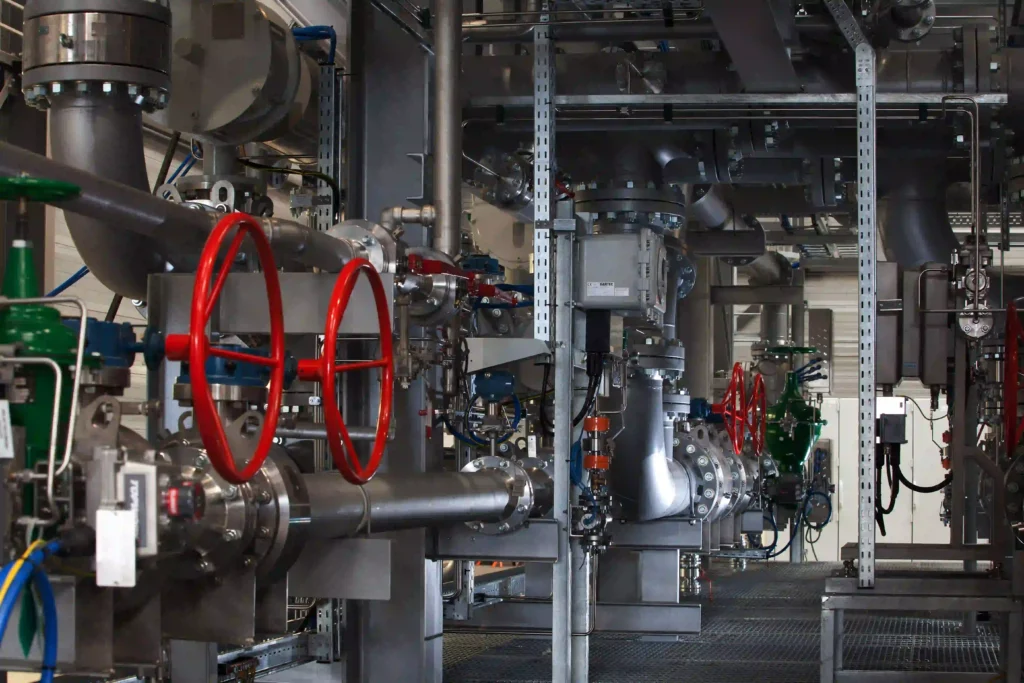
Triethylene glycol (TEG) absorption systems represent the most common solution for pipeline-grade dehydration, reducing moisture to the low levels required for safe transport. These systems integrate directly into multi-stage compression trains at intermediate pressures, using knock-out drums for bulk water removal followed by glycol contactors. They require continuous glycol regeneration and periodic reclaiming to remove accumulated contaminants.
For enhanced oil recovery (EOR) applications or high-pressure geological sequestration requiring ultra-low moisture specifications, molecular sieve adsorption systems achieve water content below 1 ppm. These acid-resistant beds operate with low pressure drops and feature fully automated regeneration cycles, making them suitable for unattended operation. Standardized designs cover a wide range of capacities suited to project requirements, though capital costs exceed TEG systems.
Membrane dehydration offers a compact, low-maintenance alternative for smaller facilities, though economic considerations typically favor absorption or adsorption technologies at commercial CCS scales.
Modular implementation advantages
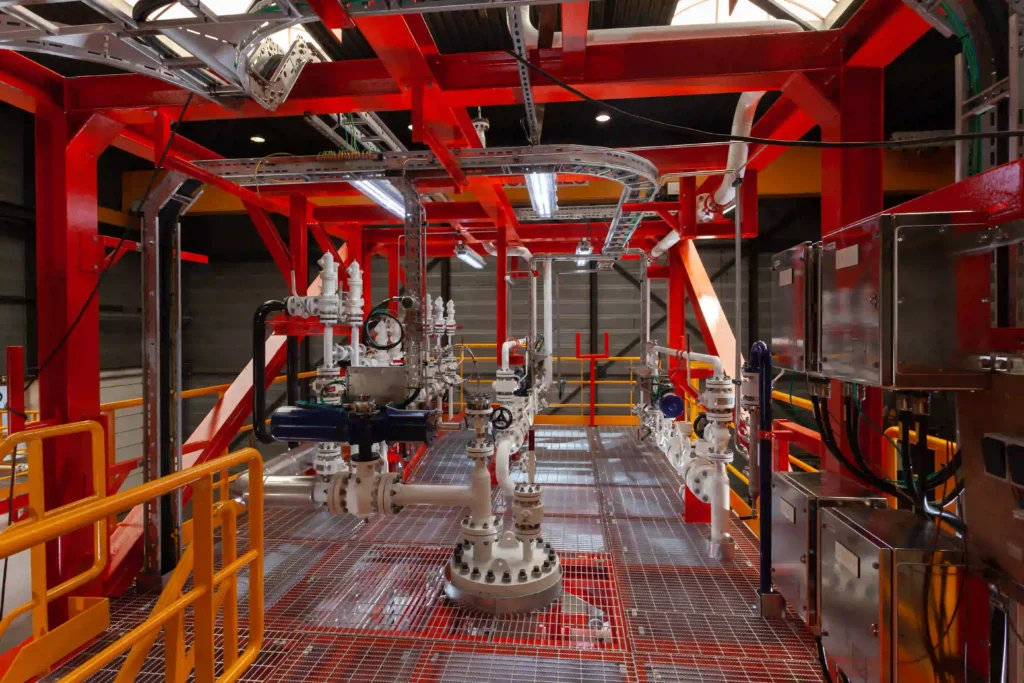
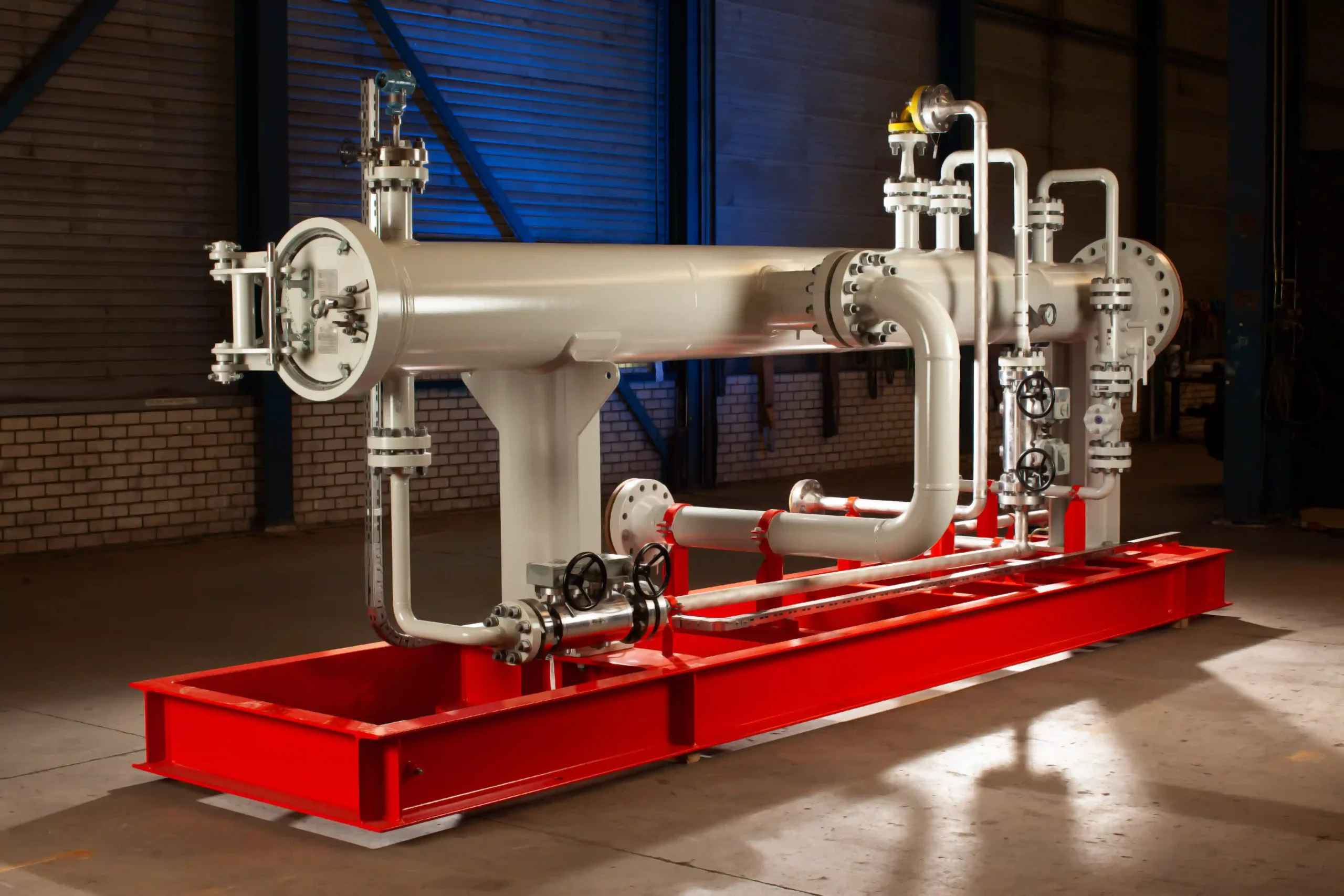
The standardized nature of CO₂ dehydration makes it well suited to deployment as prefabricated, skid-mounted units. Whether configured as TEG packages integrated with compression trains or standalone molecular sieve skids, these modular designs significantly reduce on-site construction, accelerate project schedules, and provide proven plug-and-play reliability that is essential for first-of-a-kind CCS facilities. This modularity is particularly valuable for phased capacity expansions, where additional dehydration skids can be installed as CO₂ throughput increases.
For process engineers specifying CCS facilities, integrating dehydration requirements early into capture and compression system design, including cooling water systems, utility connections, and control system interfaces, ensures seamless operation and prevents costly retrofits that can delay commissioning and increase capital expenditure.