In gas processing and petrochemical operations, maintaining equipment integrity while preventing process contamination is critical for safe and efficient operations. A seal gas system provides a pressurized, conditioned gas supply to rotating equipment seals-particularly in centrifugal compressors and pumps-to prevent process gas leakage and protect sensitive seal components from contamination. These systems form an essential part of modern process infrastructure, ensuring both operational reliability and environmental compliance.
Technical principles and operation
A seal gas system functions by continuously supplying clean, dry gas to mechanical seal interfaces at controlled differential pressures. The fundamental principle relies on maintaining the seal gas pressure above the reference gas pressure within the compressor, typically with a differential of approximately 0,7 bar. This pressure hierarchy ensures controlled gas migration, directing seal gas toward lower-pressure zones while preventing process gas from reaching seal faces.
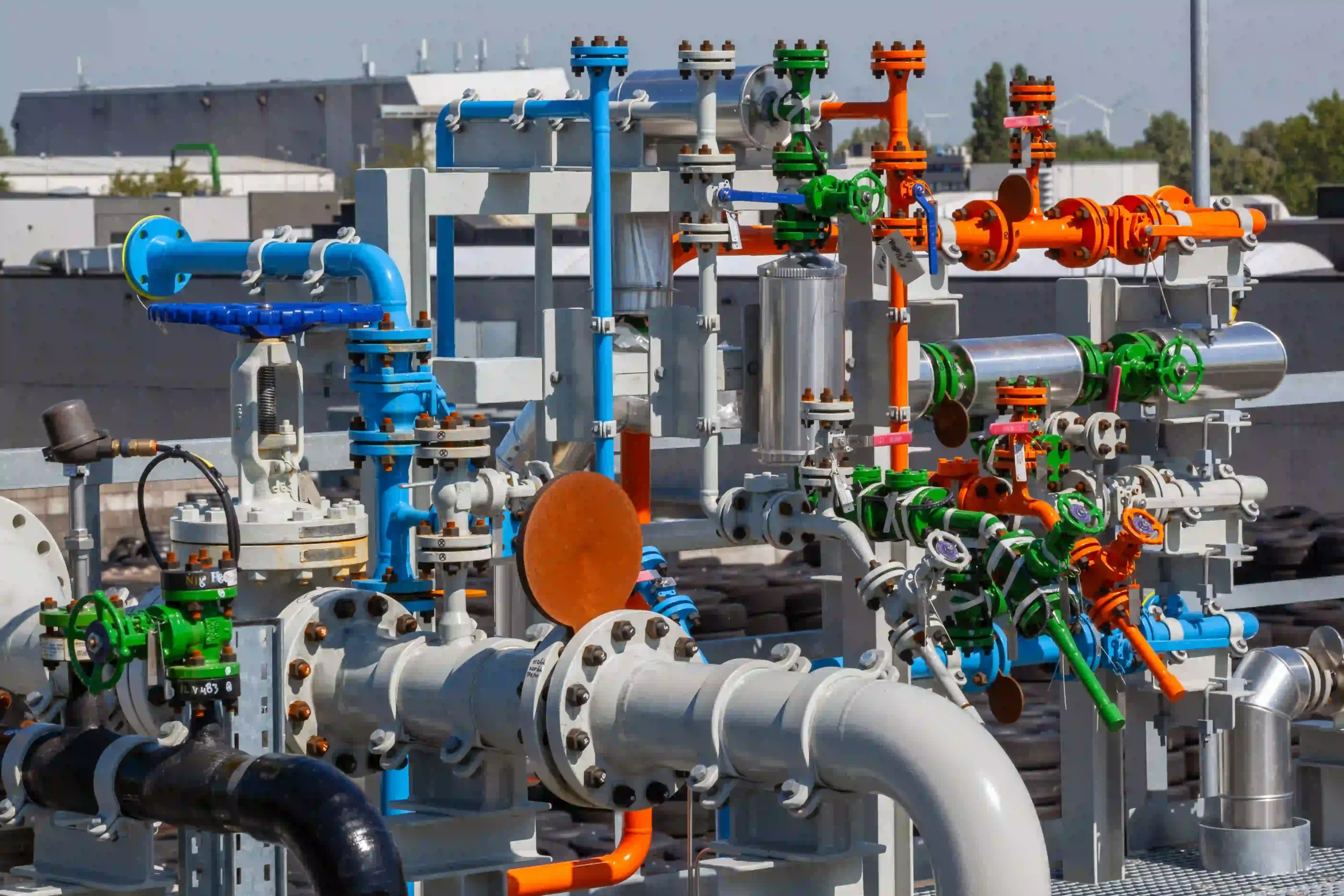
The system architecture comprises multiple gas streams serving distinct functions. The primary seal gas protects dry gas seal faces from process contamination, while separation gas purges the secondary seal to prevent oil or air ingress from atmospheric conditions. Reference gas provides a control signal representing actual process conditions drawn from the compressor discharge or suction, and leakage gas safely collects and disposes of combined flows from both seal and separation streams. Gas conditioning-through coalescing filters, drying systems (desiccant or refrigeration-based), and coolers-ensures the seal gas remains free from moisture, particulates, and contaminants that could compromise seal reliability and longevity.
For barrier gas applications with hazardous fluids, nitrogen is supplied at pressures exceeding seal chamber pressure by at least 1,7 bar to prevent process fluid vaporization across seal faces. Flow monitoring and differential pressure control provide real-time operational insight. Increased seal gas consumption above normal leakage rates signals seal degradation, enabling predictive maintenance before catastrophic failure occurs. This monitoring capability proves particularly valuable for remote installations where unplanned shutdowns carry significant operational and economic consequences.
Modular integration by FB Group
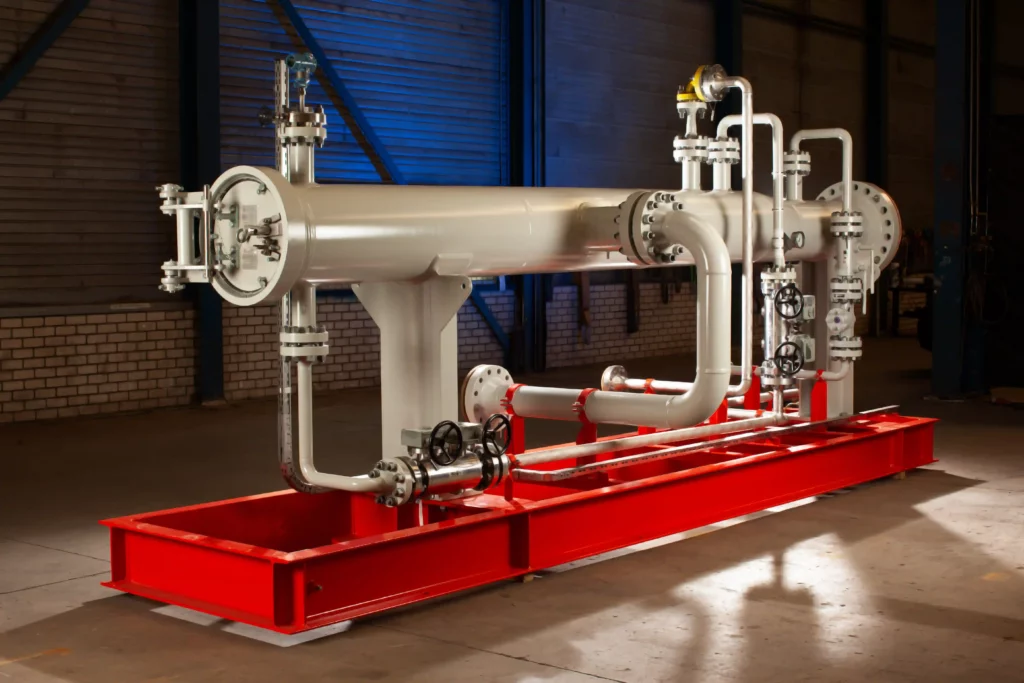
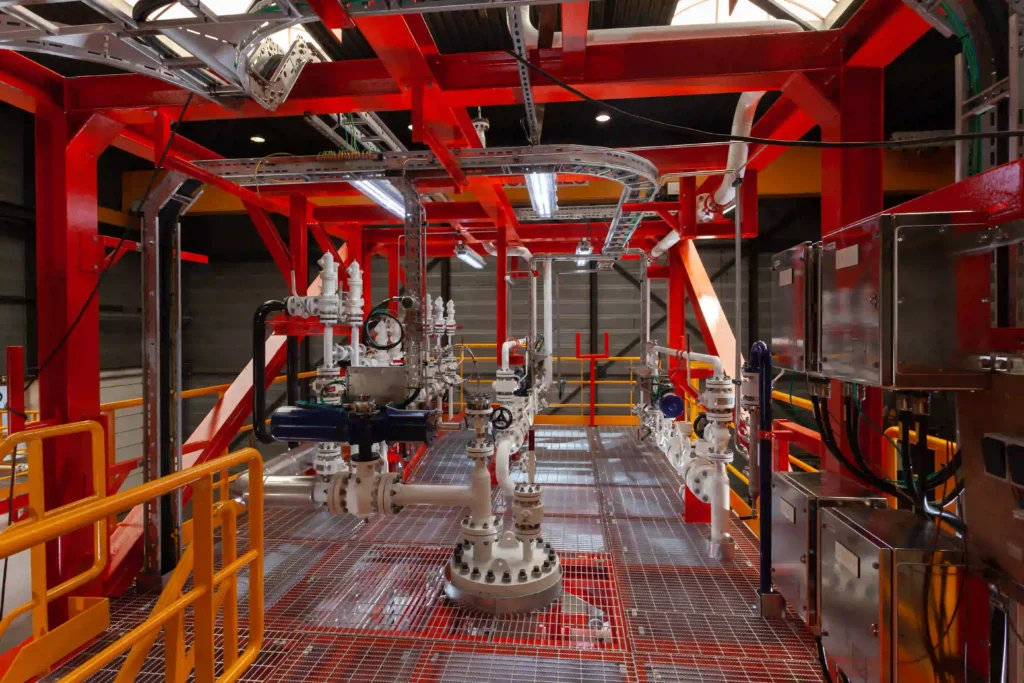
FB Group works with seal gas technology providers and compressor manufacturers to integrate seal gas systems into skid-mounted process units for gas processing and energy transition applications. As a system integrator, FB Group handles the mechanical design, fabrication, piping, and controls integration required to package seal gas conditioning equipment-including coalescing filters, drying systems, and coolers-into compact modular installations. By leveraging process gas rather than external liquid supplies, these units achieve significant simplification, reducing footprint and enabling rapid deployment in remote or offshore locations.
FB Group’s fabrication expertise ensures seal gas systems comply with international standards including API 692, which defines system design, component selection, gas conditioning requirements, and operational protocols. Each system is tailored in close collaboration with the technology partner to match specific process fluid composition, operating conditions, seal design, and installation accessibility requirements. For technology providers and compressor OEMs, this partnership offers a proven fabrication platform for delivering seal gas packages across diverse applications from natural gas processing to hydrogen compression and CO₂ capture facilities.
Partnership advantages
For technology providers and compressor manufacturers, partnering with FB Group offers access to in-house engineering and steel fabrication capabilities, factory acceptance testing, and compliance with international pressure vessel and piping standards. Non-contacting dry gas seals achieve extended service lives compared to traditional wet mechanical seals, and the elimination of contaminated liquid drain systems decreases environmental risk-advantages that FB Group’s modular packaging helps technology providers deliver reliably to end users worldwide.
FB Group’s approach to seal gas system integration demonstrates how specialist process technology, when combined with experienced modular fabrication, supports reliable and sustainable energy infrastructure-bridging the gap between technology development and industrial deployment.