Natural gas extracted from wells contains significant amounts of water vapor that must be removed before the gas can be transported through pipelines or processed further. A triethylene glycol (TEG) dehydration unit is a specialized process system designed to eliminate this moisture, utilizing liquid desiccant absorption to meet strict pipeline quality standards. This technology represents the most economical and widely adopted method for water removal in the natural gas industry, making it essential infrastructure for energy operations worldwide.
How TEG dehydration works
The absorption process
The TEG dehydration system operates through two integrated cycles: absorption and regeneration. Wet natural gas enters the contact tower (absorber column) at the bottom and flows upward through multiple levels in a countercurrent pattern. Lean (dry) TEG flows downward through these same levels, making intimate contact with the rising gas stream. As water vapor transfers from the gas to the glycol solution, the gas becomes progressively drier as it moves toward the outlet.
The effectiveness of this absorption depends on the lean TEG concentration, which directly determines the achievable gas dew point temperature. Pipeline specifications typically require water content of 112 mg/Nm³ (7 lbs/MMscf) or less, and properly designed TEG systems reliably meet this standard.
The regeneration cycle
As TEG absorbs moisture, it becomes “rich” and must be regenerated to maintain dehydration capacity. The wet glycol passes through a three-stage flash separator that removes water vapor, particulate impurities, and oils. The glycol then enters a reboiler where distillation separates the absorbed water from the TEG.
Temperature control in the reboiler is critical. Water boils at 100°C (212°F) while glycol boils at 288°C (550°F), allowing separation at intermediate temperatures. Operators typically maintain reboiler temperatures between 100°C (212°F) and 204°C (400°F)-hot enough to drive off water efficiently but below the 207°C (404°F) threshold where glycol degradation begins. The regenerated lean glycol is then cooled and returned to the contact tower, completing the continuous cycle.
FB Group’s modular TEG dehydration solutions
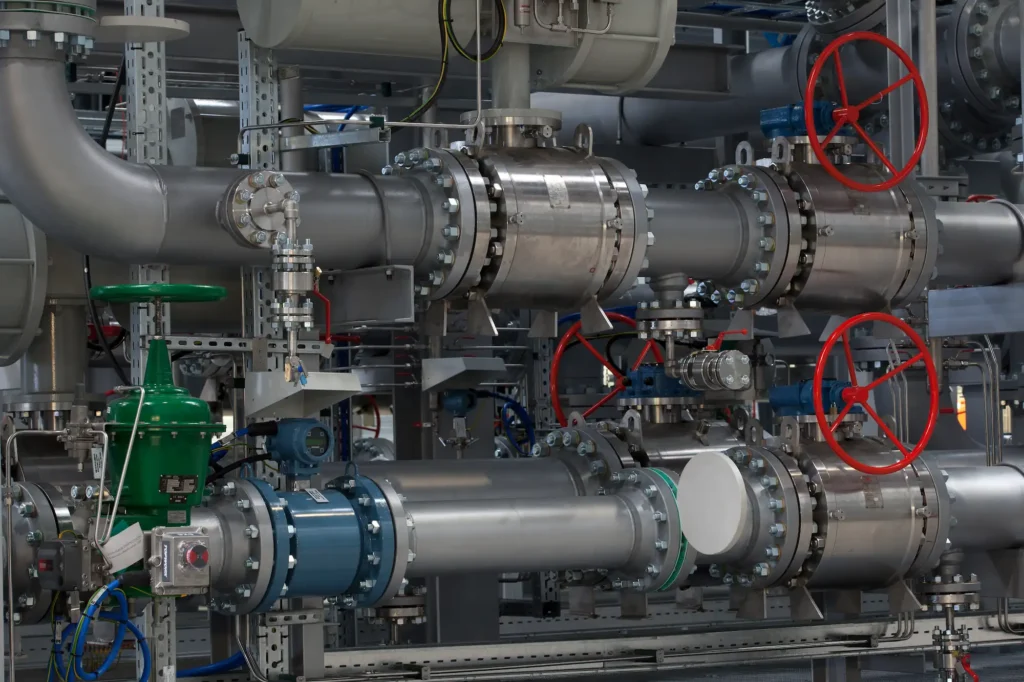
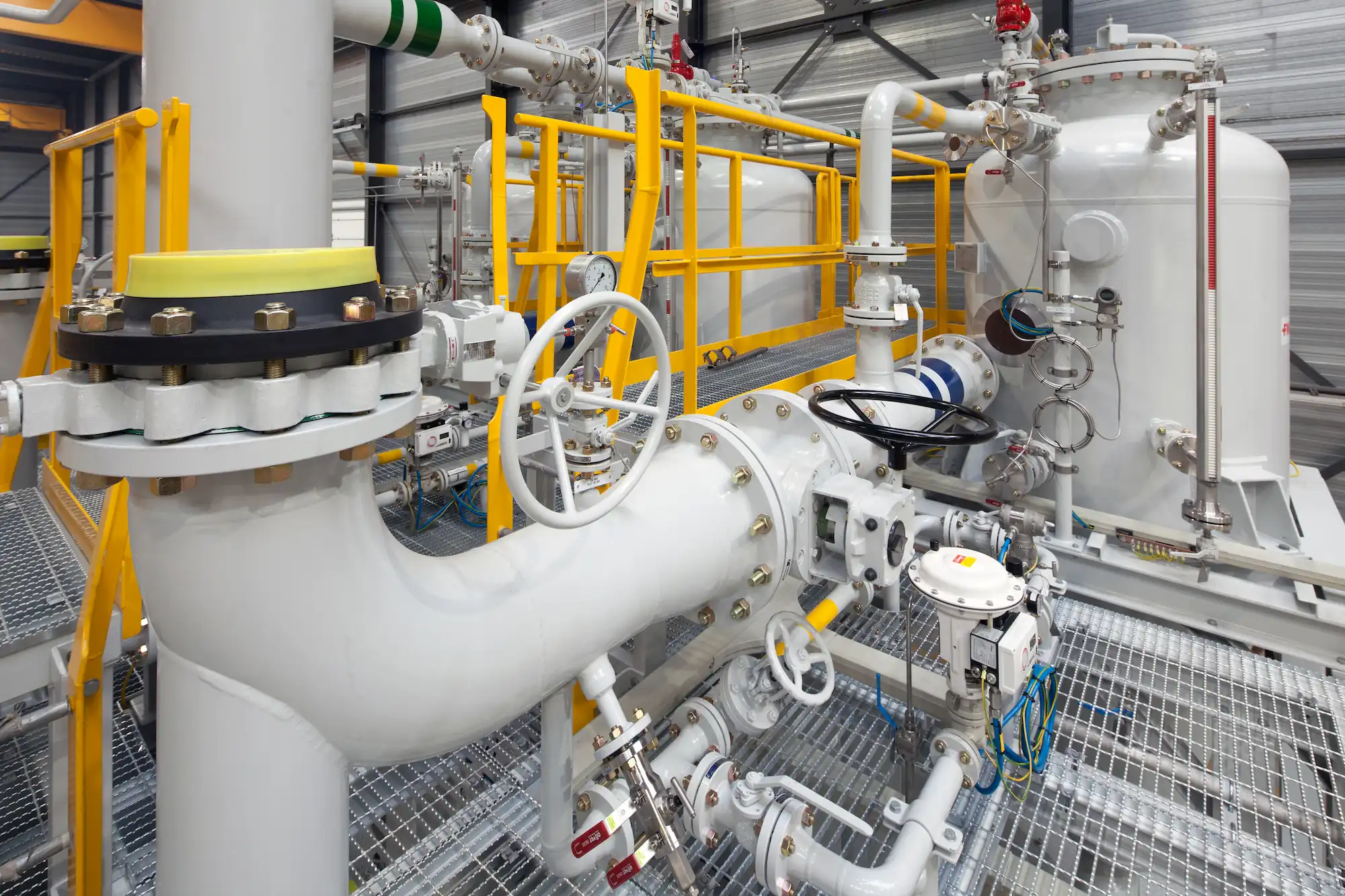
FB Group delivers TEG dehydration technology in skid-mounted configurations that provide significant advantages over field-constructed systems. These modular units integrate all essential components-inlet scrubbers, contact towers, flash separators, reboilers, surge tanks, and cooling systems-into pre-engineered, factory-assembled packages.
The modular approach reduces installation time and costs while ensuring consistent quality control during fabrication. FB Group’s TEG dehydration skids accommodate capacities ranging from approximately 1.200–472.000 Nm³/u (1–400 MMscfd), serving applications from small gathering systems to major processing facilities.
Integrated design features
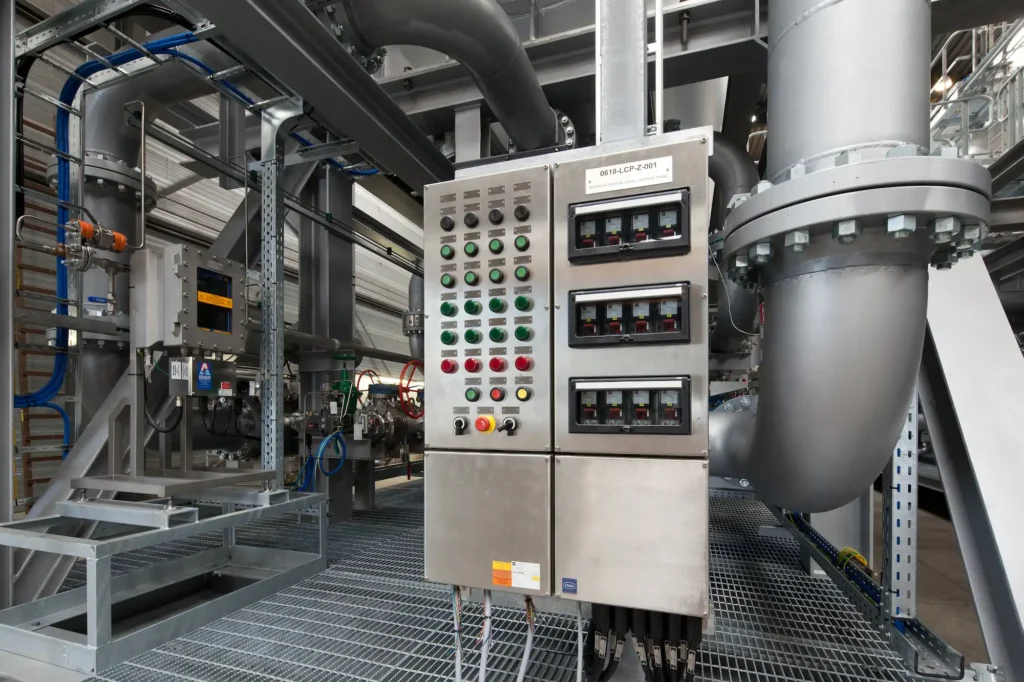
Modern skid-mounted TEG units from FB Group incorporate advanced control systems, including programmable logic controllers (PLCs) that enhance operational reliability and reduce runtime costs. Safety and environmental compliance are built into the design, with electrical heater control systems and integrated containment consisting of solid steel drain pans sloped to skid drain connections.
These units offer flexible power and control options, utilizing pneumatic or electric actuators and electric glycol pumps to accommodate diverse operational environments. This flexibility makes them particularly suitable for remote locations and varying infrastructure conditions across global energy projects.
Critical applications in energy operations
TEG dehydration units serve multiple essential functions in natural gas processing:
Hydrate Prevention: Water in gas streams forms ice-like hydrates under pressure and low temperature conditions, potentially plugging pipelines and causing severe operational disruptions. TEG dehydration eliminates this risk by removing moisture before it can crystallize.
Corrosion Control: Water vapor promotes oxidative reactions between moisture and metal infrastructure, leading to rapid pipeline and vessel degradation. Removing water extends equipment life and prevents costly failures.
Gas Quality Compliance: Meeting pipeline specifications requires consistent water content control. TEG systems provide reliable performance across varying ambient conditions and gas composition changes.
Infrastructure Protection: Moisture removal prevents slug formation that causes vibrational and mechanical strains on compression and transport equipment, reducing maintenance requirements and extending operational life.
Advantages for energy transition projects
As the energy industry evolves to include hydrogen generation, CO2 capture, and other decarbonization technologies, reliable gas dehydration remains fundamental. TEG systems’ proven reliability, economic efficiency, and suitability for modular deployment make them ideal for both traditional natural gas processing and emerging energy applications.
The technology’s mature design and operational track record provide confidence for project developers, while the modular skid-mounted format enables rapid deployment to support dynamic project timelines. FB Group’s expertise in integrating TEG dehydration units with complementary process technologies-including amine treating, compression, and gas processing systems-delivers complete solutions for complex energy projects worldwide.
Conclusion
TEG dehydration units represent essential infrastructure for natural gas processing, combining proven technology with economic efficiency. Through modular, skid-mounted configurations, FB Group delivers these critical systems with reduced installation time, enhanced reliability, and comprehensive integration with broader process solutions, supporting energy operations across the globe.