Natural gas processing is the industrial separation technology that transforms raw natural gas from extraction sites into clean, pipeline-quality fuel suitable for commercial and residential consumption. This critical midstream operation removes impurities, separates valuable byproducts, and ensures the gas meets stringent transportation specifications-typically requiring methane content exceeding 98%. As natural gas accounts for approximately 25% of global energy generation, effective processing infrastructure remains fundamental to energy security and the ongoing transition toward cleaner fuel sources.
The technical framework of gas processing
Initial separation and conditioning
The processing sequence begins with physical separation of free liquids and solids from the raw gas stream. Separators and slug catchers remove oil, water, sand, and other debris that accompany gas during extraction. Following this mechanical separation, dehydration systems eliminate water vapor-a critical step for preventing pipeline corrosion and hydrate formation during transportation.
This initial conditioning establishes the foundation for subsequent purification stages, ensuring that downstream equipment operates efficiently and that the final product meets quality standards.
Contaminant removal systems
Raw natural gas contains numerous compounds that must be removed before pipeline injection. Hydrogen sulfide (H₂S) and carbon dioxide (CO₂) represent the most common corrosive and non-combustible contaminants, typically addressed through amine absorption processes. Additional treatment may target nitrogen, mercury, and other trace elements using activated carbon beds or molecular sieves, depending on the specific composition of the raw gas and end-use requirements.
These purification steps protect downstream infrastructure while ensuring compliance with safety and environmental regulations.
Natural gas liquids recovery
One of the most valuable aspects of gas processing involves extracting natural gas liquids (NGLs)-including ethane, propane, butanes, and natural gasoline. Two primary recovery methods dominate the industry: absorption techniques and cryogenic expander processes, which together account for approximately 90% of NGL production.
Once separated from the methane stream, NGLs undergo fractionation through sequential distillation stages. Deethanizers separate ethane, followed by depropanizers for propane isolation, debutanizers for butane removal, and finally butane splitters that distinguish between iso and normal butane isomers. This systematic separation creates distinct product streams, each with specific commercial applications ranging from petrochemical feedstocks to heating fuels.
FB Group’s modular approach to gas processing
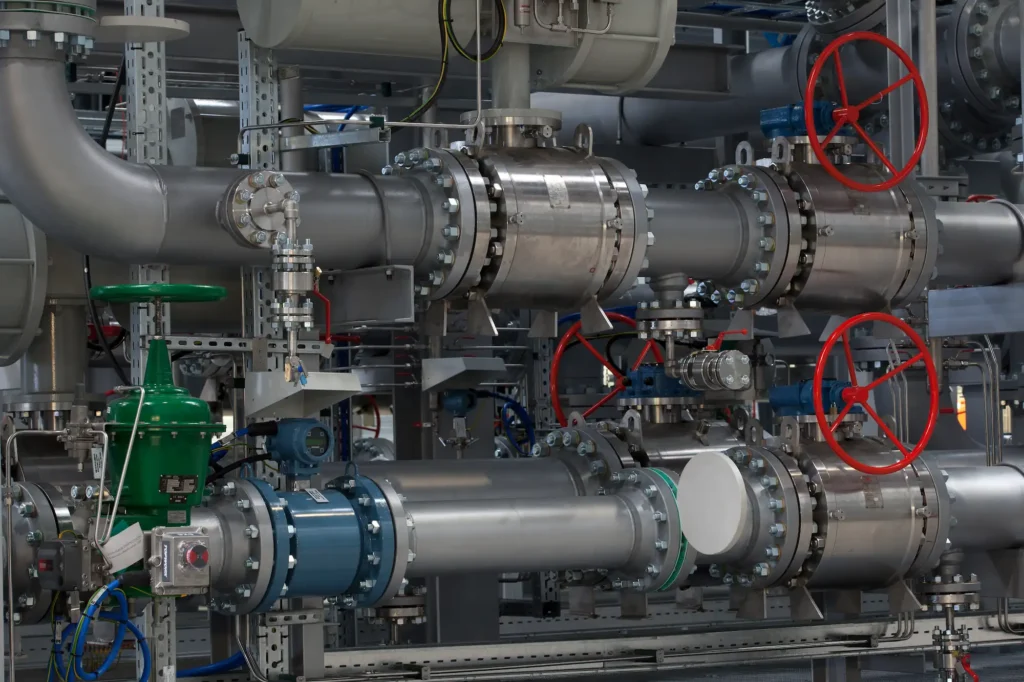
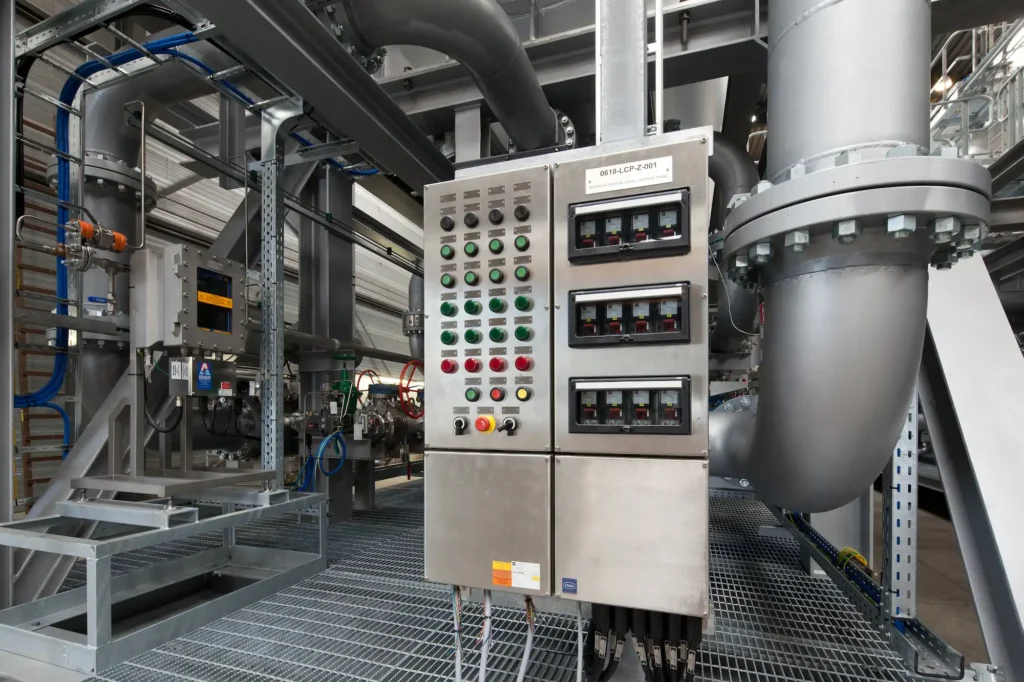
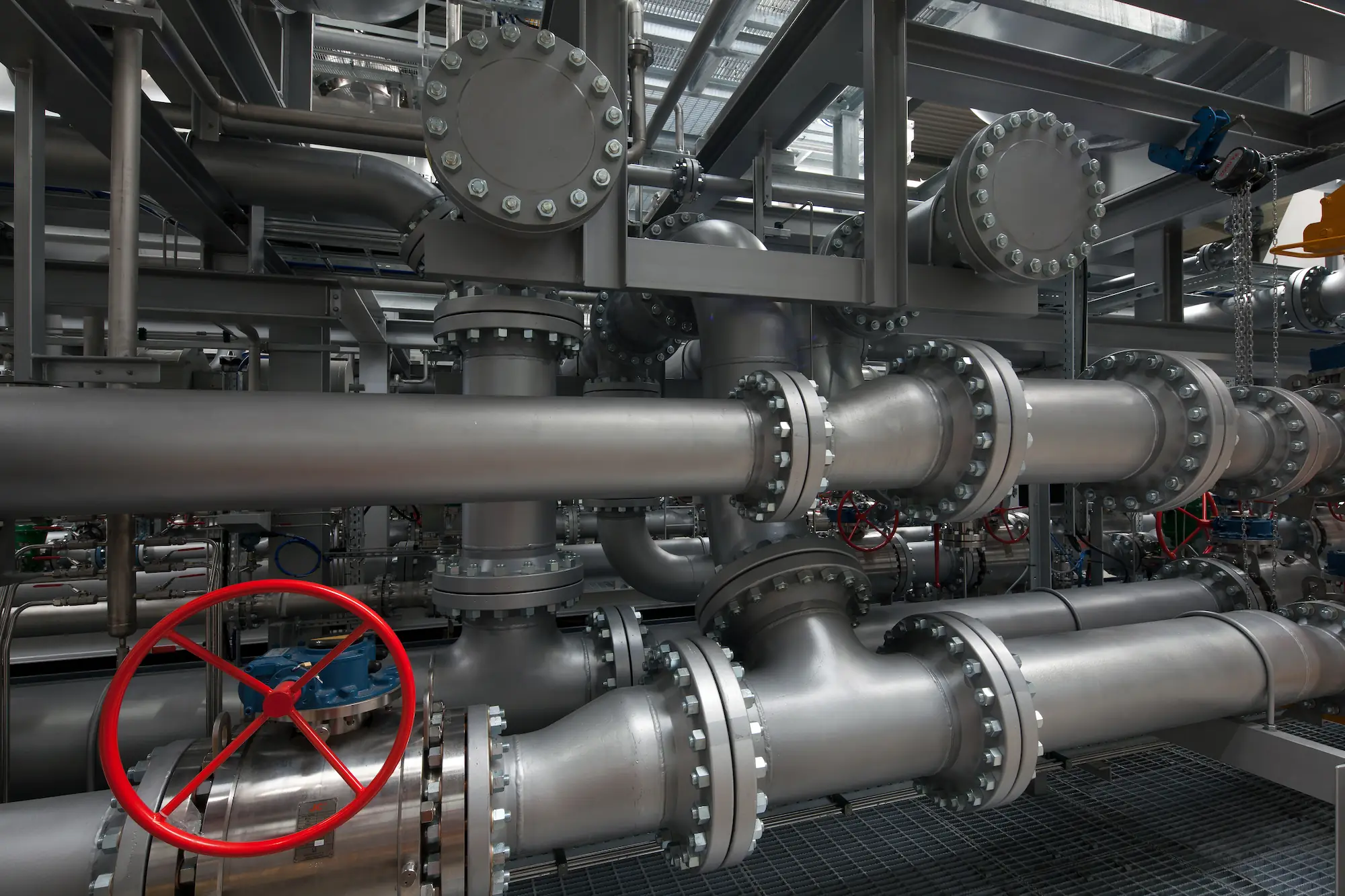
FB Group delivers natural gas processing capabilities through engineered skid-mounted process units that address the unique challenges of midstream operations. These modular systems integrate the complete processing sequence-from initial separation through final conditioning-within pre-fabricated, factory-tested assemblies.
The modular configuration offers distinct advantages for gas processing applications. Standardized design and manufacturing under controlled factory conditions ensure consistent quality and performance, while comprehensive pre-commissioning testing validates system functionality before field deployment. This approach significantly reduces on-site installation time compared to conventional stick-built facilities, accelerating project timelines and minimizing field labor requirements.
For operators managing variable production rates or developing remote reserves, FB Group’s skid-mounted units provide scalability and portability that traditional processing infrastructure cannot match. Units can be deployed rapidly to accommodate production growth, relocated as field conditions evolve, or configured in modular arrays to handle fluctuating throughput demands.
Strategic benefits for energy industry applications
The combination of natural gas processing expertise with modular execution delivers measurable advantages across project lifecycles. Reduced capital exposure results from shorter construction schedules and lower field labor costs, while predictable delivery timelines minimize schedule risk. Factory fabrication enables parallel engineering and construction activities that compress overall project duration.
Operational benefits extend beyond initial deployment. Modular units facilitate incremental capacity expansion aligned with production curves, avoiding the overcapitalization inherent in oversized conventional facilities. For offshore platforms, remote locations, or temporary production scenarios, the transportability of skid-mounted systems provides flexibility that fixed infrastructure cannot offer.
Quality assurance represents another critical advantage. Factory assembly under controlled conditions, coupled with comprehensive testing protocols, ensures equipment meets specifications before field installation-reducing commissioning challenges and startup delays.
Supporting the energy transition
As the energy industry advances toward lower-carbon solutions, efficient natural gas processing infrastructure plays an essential role. Clean-burning natural gas serves as a transition fuel, and the ability to rapidly deploy processing capacity through modular units supports this evolution. The same engineering principles and modular execution capabilities that FB Group applies to gas processing extend to emerging applications in CO₂ capture, hydrogen generation, and other decarbonization technologies.
Natural gas processing exemplifies the complex separation challenges that modular process units address effectively-combining technical precision with practical deployment advantages that serve the evolving needs of global energy markets.