Gas dehydration is a critical process in the natural gas industry that removes water vapor from gas streams to meet stringent pipeline specifications and prevent operational failures. This gas treatment process reduces the water dew point of natural gas and hydrocarbon streams, protecting pipelines and processing equipment from hydrate formation, internal corrosion, and flow disruptions. As global energy infrastructure expands and processing requirements become more demanding, effective dehydration solutions have become essential for safe and economical gas transportation and processing.
Understanding the gas dehydration process
Gas dehydration specifically targets water vapor in the gaseous phase, distinct from free liquid water removal that occurs in upstream separators. The process relies on several fundamental mechanisms to achieve moisture control, including absorption into liquid desiccants, adsorption onto solid materials, condensation through cooling, or selective membrane separation.
Primary dehydration technologies
Glycol Absorption represents the most widely adopted method in the industry. This process uses triethylene glycol (TEG) as a liquid desiccant in a vertical contactor tower where wet gas contacts lean glycol. Water vapor absorbs into the glycol phase, producing dry gas at the tower top while water-laden glycol exits at the bottom. The rich glycol undergoes regeneration in a reboiler at temperatures between 190-205°C, stripping the absorbed water before recycling. TEG systems typically achieve dew point suppressions of 40-70°C, making them suitable for most pipeline specifications.
Solid Desiccant Adsorption employs materials like molecular sieves, silica gel, or activated alumina to capture water molecules on solid surfaces. This method excels in applications requiring extremely low dew points, such as LNG production or cryogenic processing where water dew point must reach below -70°C. The solid beds require periodic regeneration using hot gas, making them ideal for offshore or remote locations where glycol handling presents logistical challenges.
Critical performance parameters
Effective gas dehydration must meet specific technical requirements based on downstream applications. Pipeline transportation typically demands water content below 0.1 gram per cubic meter, corresponding to dew points around -10°C at operating pressure. More demanding applications like LNG liquefaction require dew points reaching -70°C or lower to prevent ice formation in cryogenic sections. These specifications drive the selection of dehydration technology and design parameters including glycol circulation rates, contactor efficiency, and regeneration temperatures.
FB Group’s modular dehydration solutions
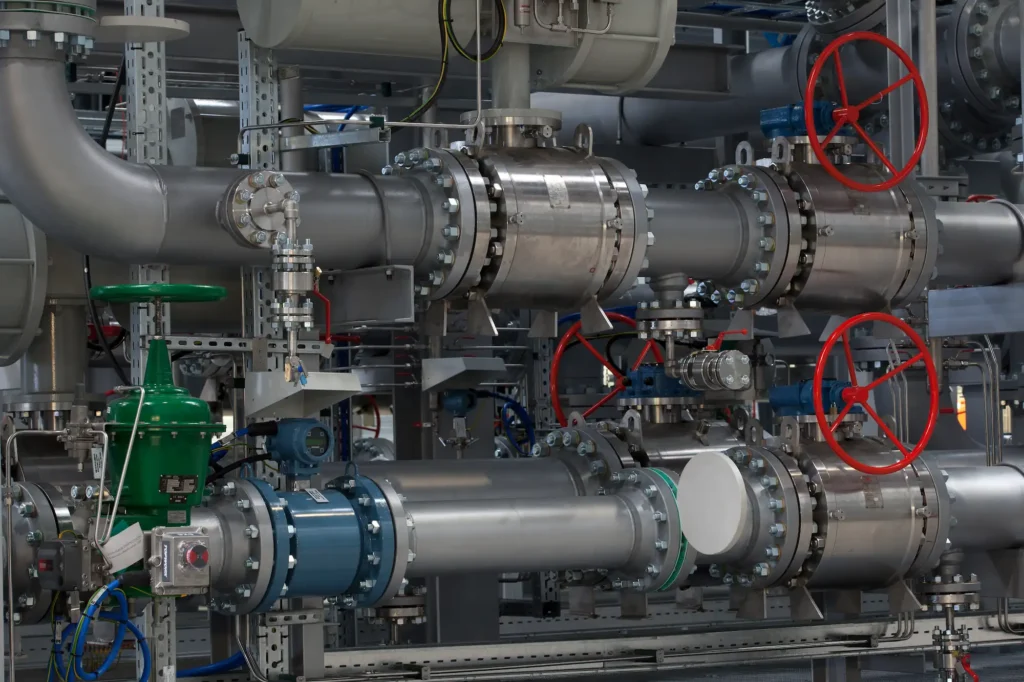
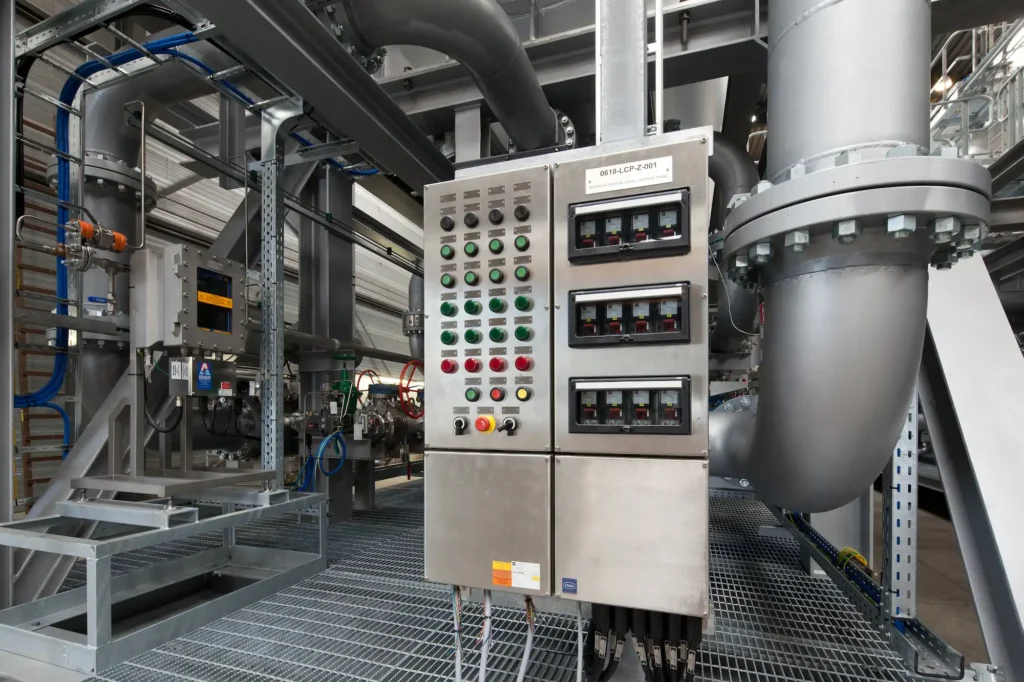
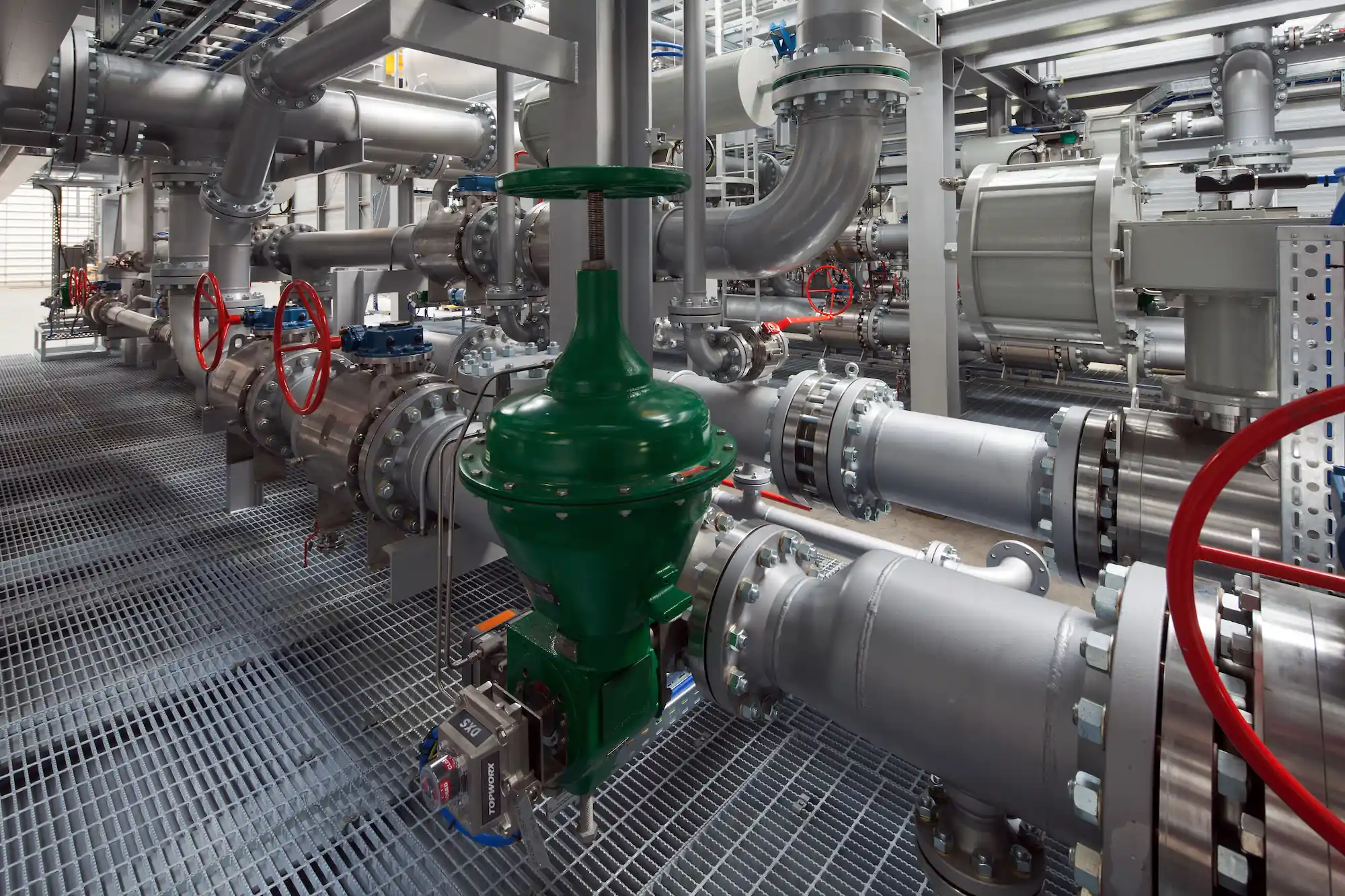
FB Group delivers gas dehydration capability through engineered skid-mounted process units that integrate complete dehydration systems into compact, factory-tested modules. These modular packages typically incorporate contactor towers, glycol regeneration systems with reboilers and still columns, circulation equipment including pumps and heat exchangers, flash tanks for hydrocarbon recovery, and comprehensive instrumentation for process control and monitoring.
The modular approach provides significant advantages for energy projects worldwide. Factory fabrication ensures quality control and reduces onsite construction time, enabling rapid deployment to remote wellhead locations or offshore platforms. Standardized designs allow repeatable engineering across multiple installations while maintaining flexibility for site-specific requirements. The compact footprint optimizes space utilization in constrained environments, and pre-integrated systems simplify interface with upstream separators, compressors, and downstream pipeline infrastructure.
Industry benefits and applications
Gas dehydration serves critical functions across the energy value chain. In upstream and midstream operations, dehydration units at wellheads and gathering stations prevent hydrate formation in gathering lines and valves while ensuring gas meets pipeline entry specifications. Gas processing plants require dehydration as pre-treatment before cryogenic NGL recovery and after acid gas removal to protect downstream equipment from moisture-related damage.
For pipeline transportation, proper dehydration prevents three major operational risks: hydrate formation that creates ice-like solids blocking flow, internal corrosion from water reacting with CO₂ or H₂S to form corrosive acids, and quality compliance failures. In energy transition applications, dehydration enables associated gas utilization for gas-to-power projects and supports biogas upgrading for renewable natural gas production adn hydrogen- and CO2 dehydration.
Engineering standards and compliance
FB Group designs dehydration skids in accordance with international standards including ASME Section VIII or EN 13445 for pressure vessels and other relevant international codes for gas processing equipment. This ensures safety, reliability, and compatibility with client facilities worldwide.
Conclusion
Gas dehydration remains an indispensable process for natural gas handling and transportation, protecting infrastructure while ensuring product quality. Through skid-mounted modular solutions, FB Group delivers proven dehydration technology in formats that support rapid deployment, operational reliability, and the evolving needs of the global energy transition. Whether for conventional gas processing or emerging applications in renewable gas and decarbonization, effective moisture control through gas dehydration continues to enable safe and efficient energy operations.