In the global transition toward cleaner energy systems, carbon dioxide capture and transport have become critical components of industrial decarbonization strategies. However, captured CO₂ streams typically contain significant water vapor that must be removed before the gas can be safely transported, compressed, or stored. CO₂ dehydration is the process of removing water vapor from CO₂-rich streams to prevent corrosion, hydrate formation, and operational failures in downstream equipment and pipelines. This essential treatment step ensures CO₂ meets stringent pipeline and storage specifications-typically between 4 and 500 parts per million by volume (ppmv) water content, depending on operating pressure and application requirements.
Why water removal matters in CO₂ streams
When water vapor remains in CO₂ streams, several serious problems arise. At high pressures and low temperatures encountered during compression and transport, water combines with CO₂ to form solid hydrates that can block pipelines and damage equipment. Additionally, the presence of water creates corrosive carbonic acid when dissolved in CO₂, particularly problematic in high-pressure pipelines operating at 50-140 bar. These issues apply both to acid gas streams from conventional natural gas processing and to post-capture CO₂ from industrial decarbonization projects. Unlike hydrocarbon gas dehydration, CO₂ processing demands more stringent water specifications and acid-resistant materials due to the inherently corrosive nature of wet CO₂ streams.
Core dehydration technologies
Glycol absorption systems
Triethylene glycol (TEG) absorption represents the most widely deployed method for CO₂ dehydration in moderate-to-large scale applications. In this process, wet CO₂ contacts lean TEG in a countercurrent absorber column, where the glycol preferentially absorbs water vapor. The water-rich glycol is then regenerated in a reboiler operating at 190-205°C, with optional stripping gas enabling ultra-low water specifications below 5 ppmv when required. Optimal absorption occurs at pressures between 30 and 50 bar, where mass transfer efficiency is maximized.
Molecular sieve adsorption
For applications requiring extremely dry CO₂-below 1 ppmv water content-molecular sieve adsorption provides superior performance. These systems utilize dual-tower configurations where one bed actively dehydrates the CO₂ stream while the other undergoes regeneration with heated gas. Acid-resistant molecular sieves are available for streams containing H₂S and other contaminants. Fully automated operation, molecular sieve units represent ideal candidates for standardized, skid-mounted deployment.
FB Group’s modular approach to CO₂ dehydration
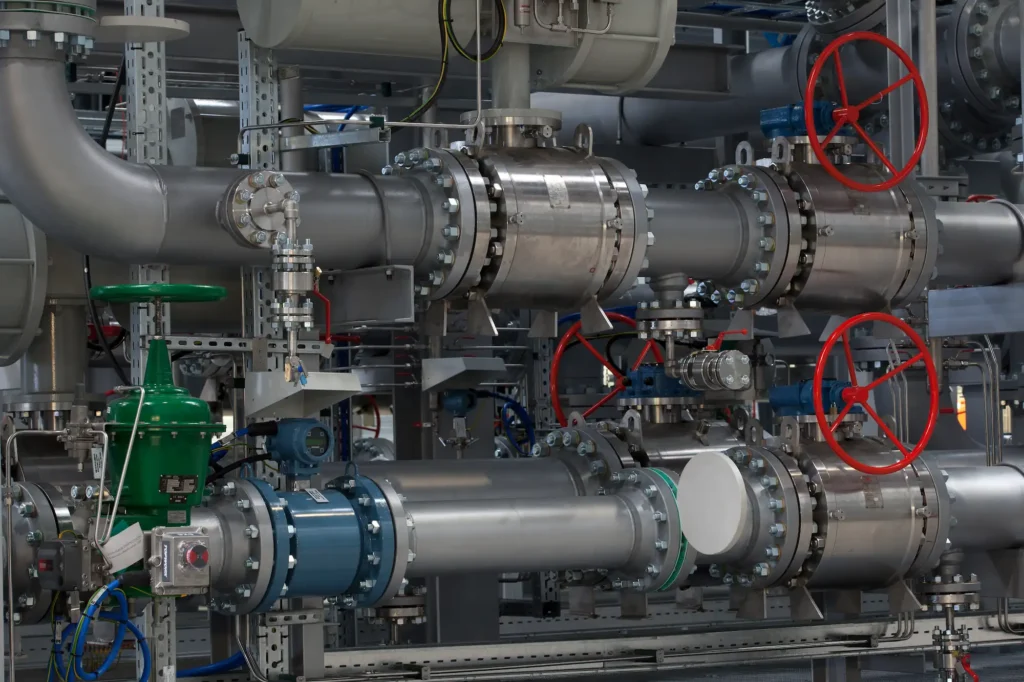
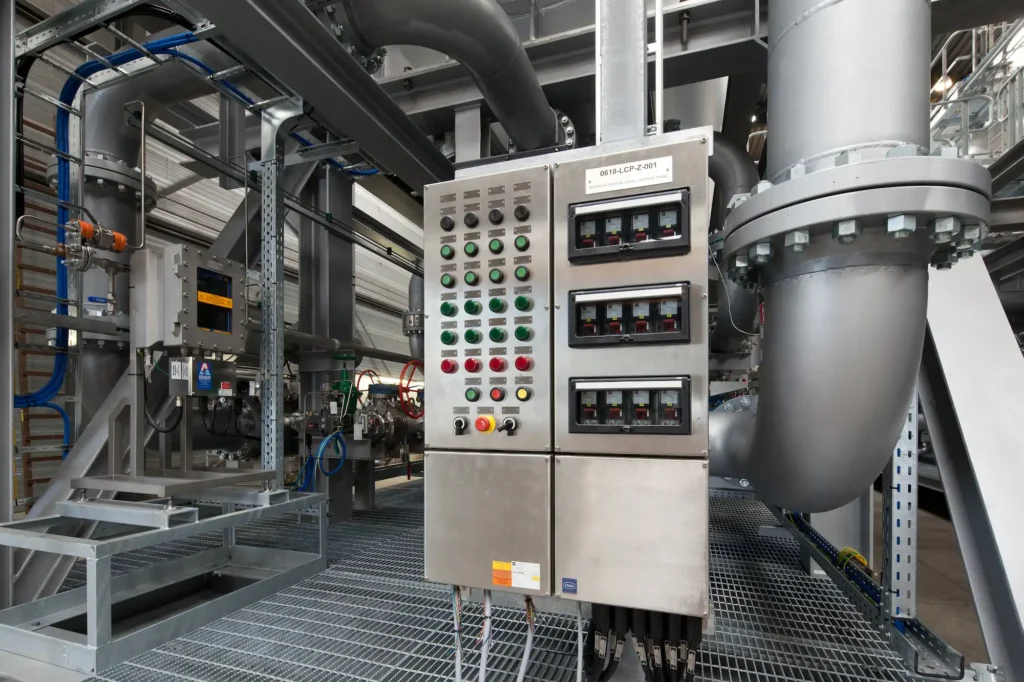
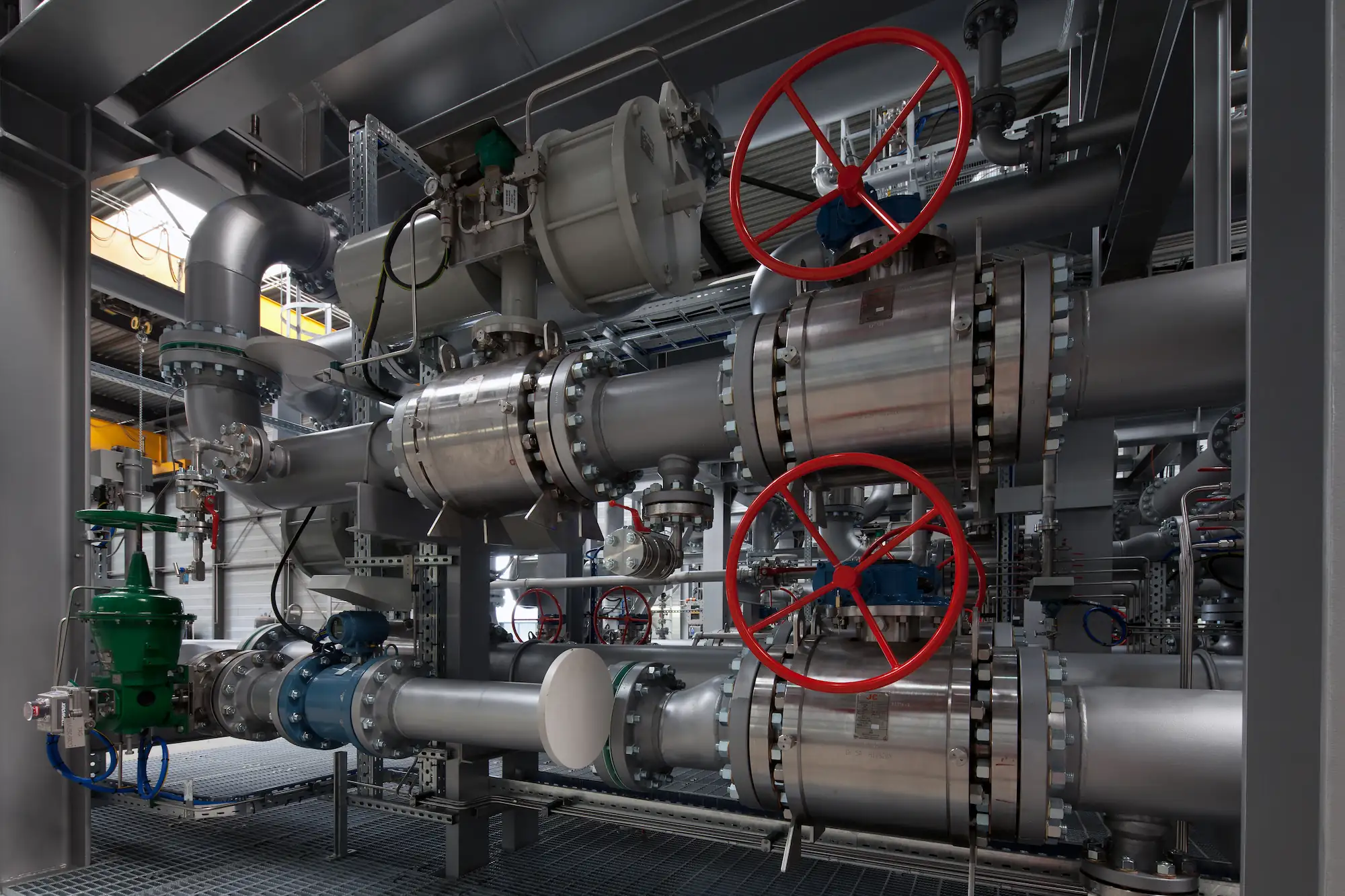
FB Group specializes in delivering complete CO₂ dehydration solutions as compact, skid-mounted process units that integrate seamlessly into both conventional gas processing facilities and emerging carbon capture chains. These modular systems combine dehydration technology with compression, cooling, and control systems in pre-engineered packages designed for rapid deployment. Whether treating 1,000 tonnes per day of saturated CO₂ from an amine capture unit or conditioning acid gas for reinjection in oil and gas operations, FB Group’s standardized approach reduces installation time, minimizes site footprint, and enables plug-and-play operation in remote locations.
The modular design philosophy proves particularly valuable for energy transition projects where scalability and deployment speed are critical. Skid-mounted TEG units, molecular sieve packages, and integrated compression-dehydration systems can be factory-tested, transported worldwide, and commissioned rapidly-supporting the accelerated timelines demanded by decarbonization initiatives.
Benefits for energy and industrial applications
Properly designed CO₂ dehydration systems deliver multiple operational and economic advantages. They eliminate hydrate-related blockages that cause costly shutdowns, prevent corrosion-induced pipeline failures, and ensure compliance with transport specifications defined in standards like ISO 23251 for CCS applications. The energy penalty for dehydration represents only 1-2% of total CCS system energy consumption-a modest investment for protecting multi-million-dollar infrastructure. Furthermore, modular units enable operators to match dehydration capacity precisely to project requirements, avoiding the over-specification common with custom-built systems.
Conclusion
As carbon capture and storage expands globally, CO₂ dehydration will remain an indispensable unit operation bridging capture facilities and transport infrastructure. FB Group’s expertise in modular, skid-mounted dehydration systems positions clients to deploy proven technology rapidly and reliably, supporting both conventional gas processing and the critical energy transition toward a lower-carbon future.