In the global effort to reduce industrial emissions and improve operational efficiency, flare gas recovery has emerged as a critical technology for oil, gas, and energy facilities. This process engineering solution captures waste gases that would otherwise be combusted in flare stacks and redirects them back into production systems for productive use. By recovering these valuable hydrocarbon streams, operators simultaneously reduce environmental impact, comply with increasingly stringent emission regulations, and improve their bottom line through fuel cost savings.
Technical process and system components
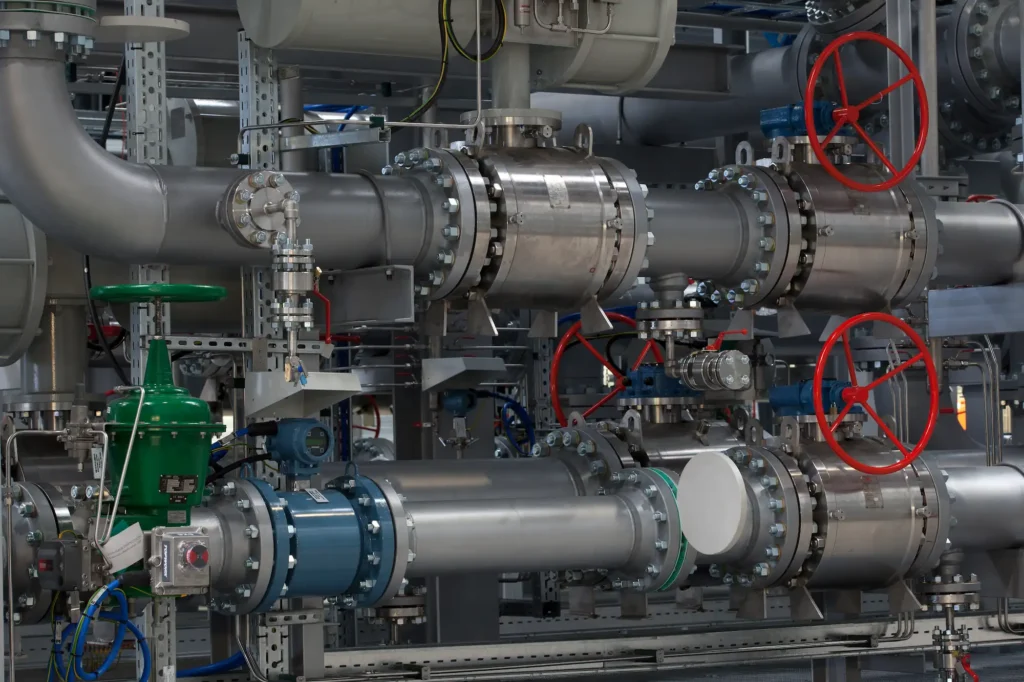
A flare gas recovery system (FGRU) operates through several integrated stages that safely capture and process waste gas streams. The process begins with gas capture and redirection, where waste gases are diverted from the flare header through a proprietary liquid seal or staging valve that maintains the flare’s critical safety function. A compression unit-typically utilizing liquid ring compressor technology-increases the gas pressure to levels suitable for reintroduction into facility systems, often reaching pressures compatible with existing fuel gas networks.
Following compression, the gas stream passes through separation equipment to remove entrained liquids, protecting downstream equipment from liquid carryover. The stream then flows through cooling systems to condition the gas for downstream applications. A final knockout drum removes any remaining condensates before the recovered gas returns to the plant’s fuel gas network or other process systems.
The system’s design incorporates automatic safety features that ensure continuous protection. If process upsets occur requiring emergency flaring, the recovery system immediately bypasses to allow safe combustion of waste gases. This dual-mode operation enables facilities to recover baseload flaring-routine, predictable gas streams-continuously while maintaining full safety integrity during excursion flaring events caused by operational disturbances.
Alternative recovery approaches include ejector-based systems that use high-pressure gas streams to create a vacuum, efficiently capturing low-pressure flare gas without continuous compressor operation. These systems offer advantages in specific applications where intermittent recovery is sufficient.
Applications and emission sources
Flare gas recovery systems address multiple emission sources in industrial operations. These include purge and blanket gases used for equipment protection, gases released during process upsets, emissions from valve leakages and vents during maintenance, and associated gas co-produced with oil extraction. Each emission source requires specific engineering consideration to optimize recovery efficiency.
Recovered gas serves directly as fuel gas for process heaters, boilers, gas turbines, and other on-site energy consumers, reducing purchased fuel costs. The high heating value of recovered hydrocarbon streams-typically containing methane, ethane, and heavier hydrocarbons-makes this economically compelling for most industrial operations.
Modular integration by FB Group
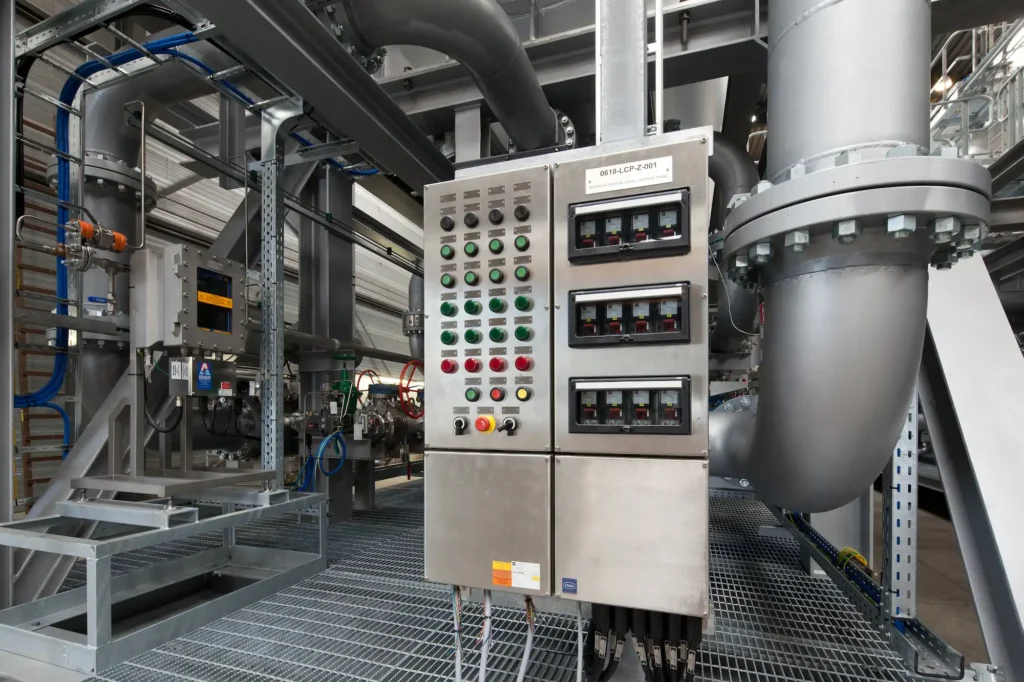
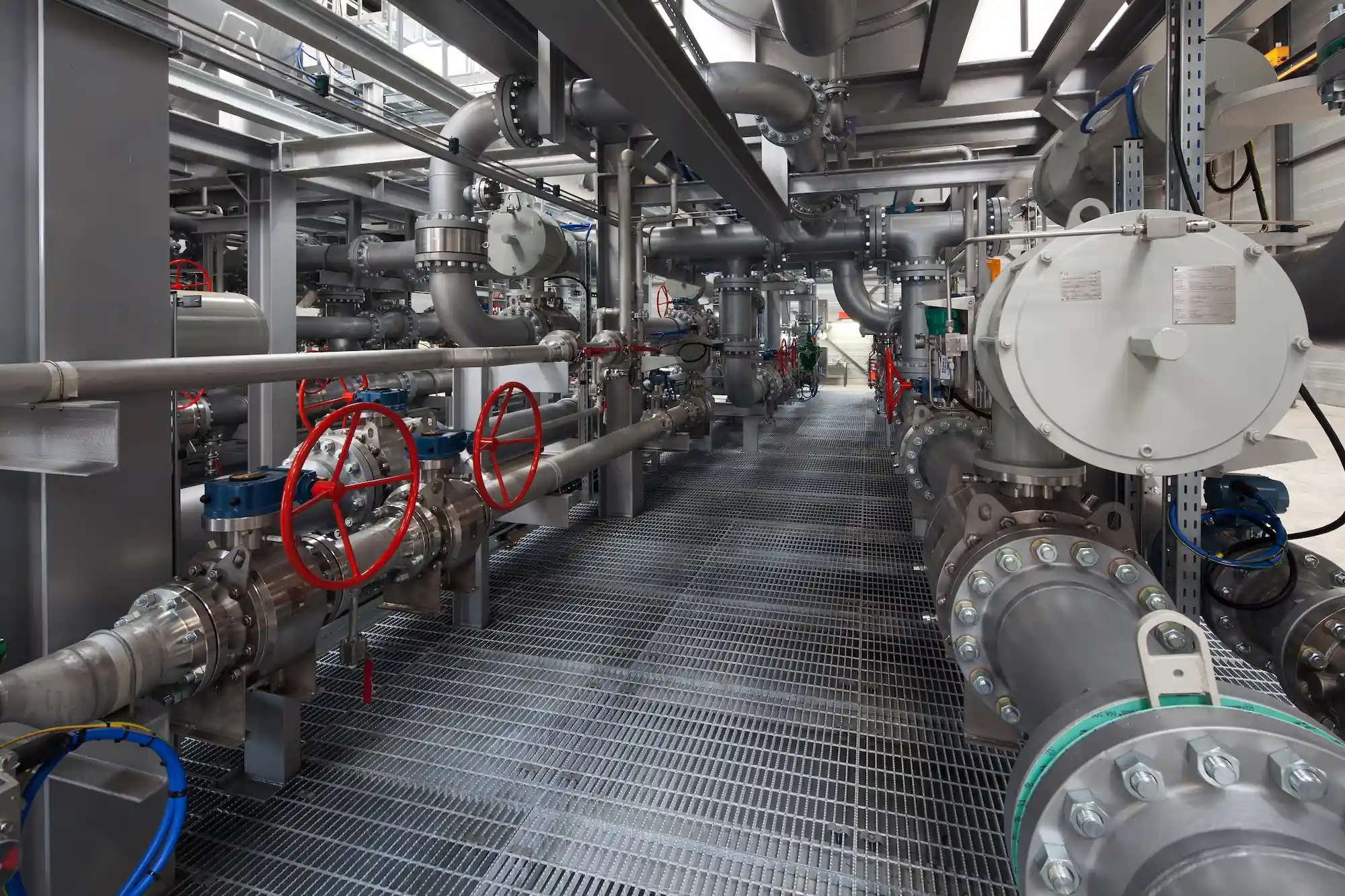
FB Group partners with flare gas recovery technology providers to package their process designs into fully integrated, skid-mounted units. As a system integrator, FB Group combines compressors, separators, coolers, and knockout drums-sourced or specified by the technology partner-into compact, pre-engineered packages ready for industrial deployment. This modular fabrication approach enables rapid installation at existing facilities without extensive brownfield modifications, significantly reducing project timelines and installation costs.
Standardized interfaces facilitate straightforward tie-in to existing flare headers and fuel gas systems, while flexible capacity scaling allows each unit to match facility-specific flaring profiles. The modular configuration also supports portability, enabling operators to deploy units temporarily or seasonally across multiple sites as operational needs evolve.
For technology providers, partnering with FB Group means access to in-house engineering and steel fabrication capabilities, factory acceptance testing, and compliance with ASME and EN standards-without the need to manage industrial construction themselves. FB Group’s experience with similar rotating equipment packages and gas conditioning installations ensures that flare gas recovery systems are built to the same quality standards as conventional gas processing equipment.
Design and operational considerations
Effective flare gas recovery system design requires careful attention to several critical factors. Process data review must characterize both baseload and excursion flaring patterns to size equipment appropriately. Safety integration is paramount-recovery modifications must not compromise the flare’s safety-critical function as the final protection layer for pressure relief scenarios.
System flexibility accommodates pressure variations through recycle valves that maintain compressor load while continuing gas recovery as inlet pressure drops. Functional safety assessment ensures recovery systems do not degrade flare performance, while cost-benefit analysis compares equipment investment against fuel cost savings and emission reduction value.
Partnership and industry benefits
Implementing flare gas recovery systems delivers substantial advantages across operational, economic, and environmental dimensions. For technology providers, partnering with FB Group means access to a proven modular fabrication platform that transforms process designs into field-ready installations-without investing in manufacturing infrastructure. Environmentally, these systems significantly reduce greenhouse gas emissions and support corporate decarbonization objectives. Economically, recovered fuel reduces operating costs while capturing energy that would otherwise be lost. FB Group’s engineering and fabrication capabilities ensure compliance with ASME and EN standards, providing technology partners with the quality assurance required for reliable industrial deployment.